How to craft a truly strong brand personality in a crowded space
About
With branding, the real differentiator isn’t simply being ‘better’ than your competition. It’s about shifting how you show up. Morally, culturally, visually – it’s about cutting through the noise to stand for something specific, expressing it in a consistent way, and allowing people to feel it. Here are four tips to help guide you towards achieving just that.
Share
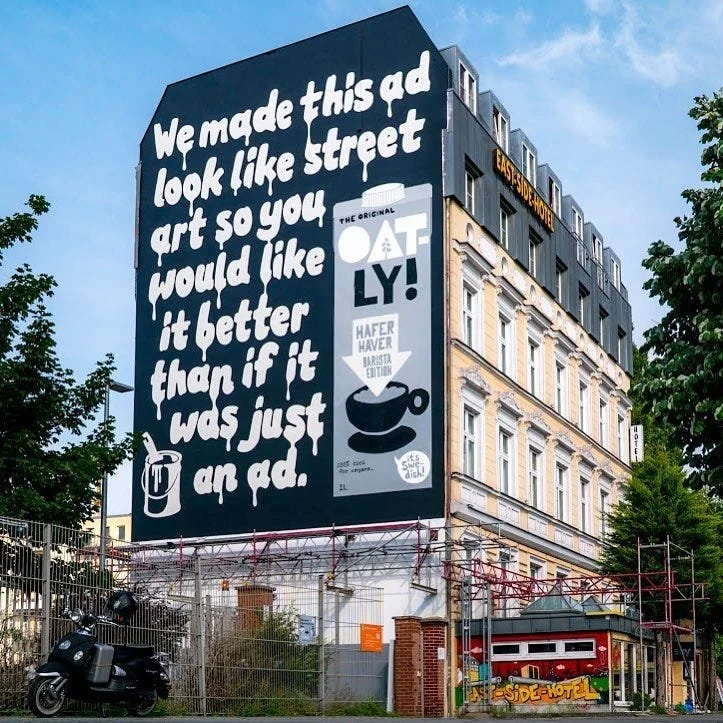
Oatly, from @notesofberlin
Tip one. Clarity always win.
Brand positioning addresses the following question: “Why would someone choose my brand over any other alternative?” And so to answer it, we must understand who we’re targeting, the space we’re operating in (brand category), what makes us meaningfully different, and why anyone should believe in us and what we’re claiming.
Do you really understand your target audience? Go beyond demographics. Use it as a starting point to understand what your audience might care about, what frustrates them, what they aspire to, and how they make decisions. Lean on persona workshops and user journey mapping, and dig deeper into ethnographic and psychographic research, to further immersive yourself in your growing community’s behaviours, beliefs, values, lifestyles and identities. Consider segmenting your campaign messaging and visuals by mindset rather than just category, as you may begin to identify shoppers driven by price, quality, status or convenience to name a few motivators. But also, customers are real people so remember to treat them that way – not like statistics: tune into what they’re saying about your brand through reviews and online communities.
Consistency is king. From brand guidelines to a clear design system, consistency helps shape and reinforce a brand’s positioning, personality and values within the public eye over time. These typically include tone of voice, visual identity, messaging principles and logo usage, and more important than having them is making sure they are used consistently every day across all relevant touch points (whether print, physical or digital). Over time, this repetition not only makes team processes more efficient, they also create cohesion, alignment and a cultural benchmark to work towards. Coca-Cola is one brand which has maintained a consistent visual and emotional identity for decades because they systemised it, not because they relied on memory. But consistency doesn’t mean rigidity: strong brands learn to evolve and adjust their messaging for different audiences, staying true to their core yet being adaptable with how this is expressed.
Tip two. Find your edge.
Great brands often live in a space of tension. That’s where they become interesting: from corporations like Apple, blending control and creativity, to countries like Japan, where deep-rooted tradition coexists with creative rebellion. Tension embeds an element of surprise into the familiar: so while your efforts are relatable, recognisable and potentially safe, they also feel exciting. And while too little tension could be perceived as boring, and too much tension confusing or stressful, just enough tension becomes memorable – creating curiosity gaps where people are given just enough information to want more.
I enjoyed reading Jasmine Bina’s take on tension. She explains how brands should be aiming for ‘wholesome strangeness’, inviting people to feel good about discomfort. (Bina, 2025) To her, tension is the highest form of branding which “never stands still”. Bina notes that tension has over time taken many forms: moral (idealism versus reality) to aesthetic (style versus substance), and at present it feels more existential (chaos versus coherence). And paired with this concept of ‘wholesome strangeness’, we’re drawn deeper into the tension, creating a space to live inside the friction and room to build new stories.
Combining opposites in identity. Premium but accessible. Playful but smart. Traditional but innovative. Simple but powerful. Building this type of contrast into your brand’s personality will help create a sharper and multifaceted identity, as well as inherent playfulness and intrigue, giving people something to hook onto, and creating emotional connection without negativity.
Tip three. Be braver.
Going beyond uncalculated risk and pointless controversy. It’s easy to suggest being bold and creating tension, but in reality this can be extremely hard advice to follow. It’s not creativity that brands struggle with, but rather fear. Fear of getting things wrong, internal backlash, or alienating customers. So creative teams will often opt for a safer and more polished version of edgy – especially if a client expresses that dreaded wariness about being braver. But here’s how brands can lean into it.
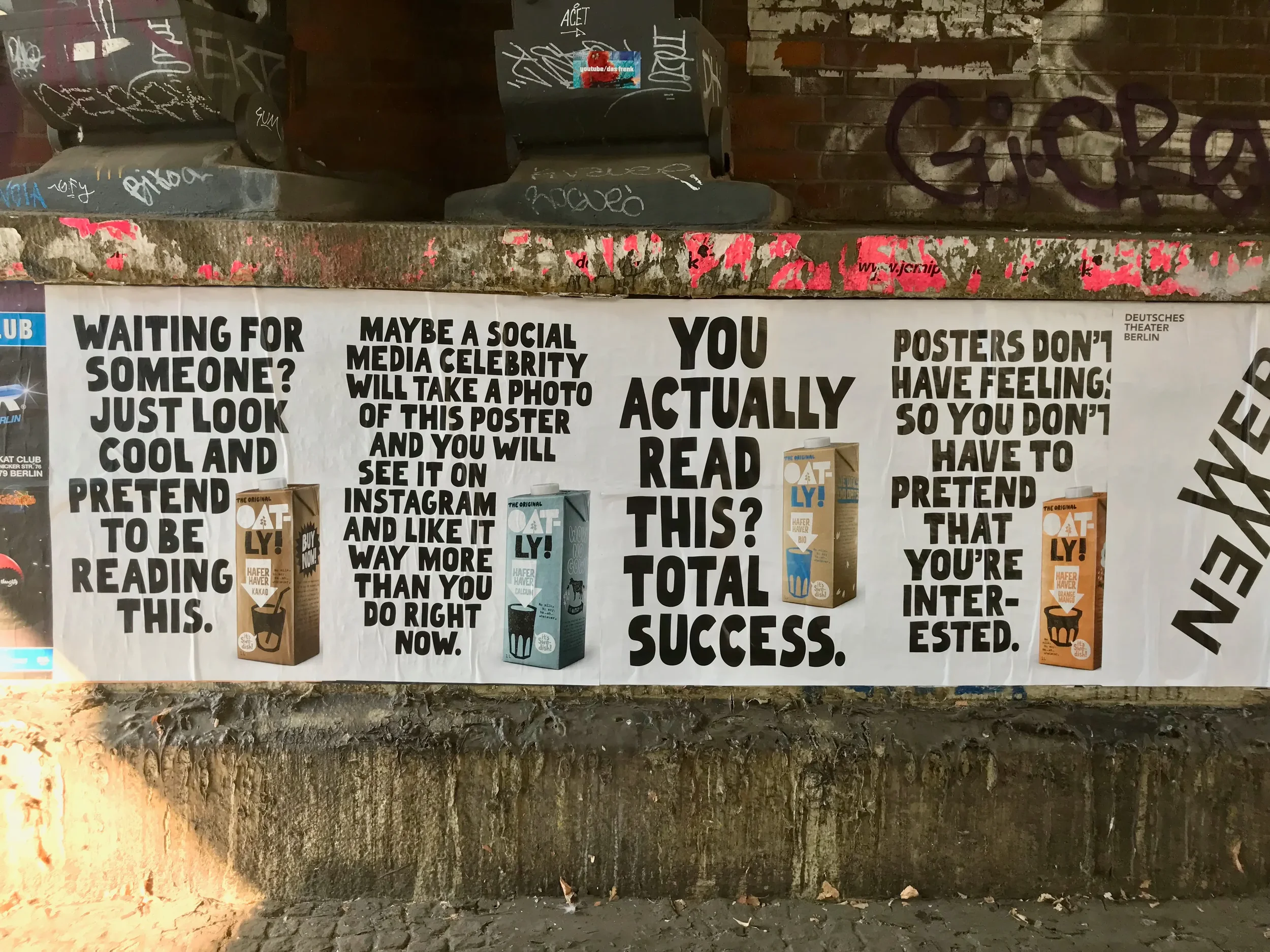
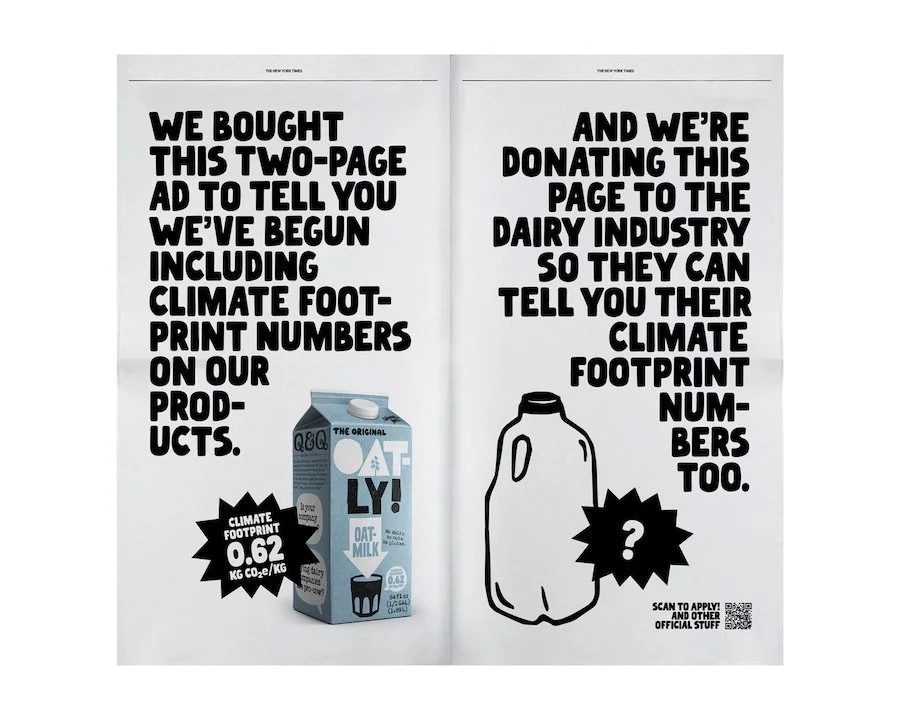
What does brave really mean? It isn’t about being visually loud and shocking. It’s about being willing to commit entirely to an identity and set of core values. Quiet and minimalist brands can be just as distinct as loud and chaotic ones. What we’re expressing is a commitment to not having to explain everything to people – and that alone feels brave. Oatly is a great example of this: despite the brand’s mission being to deliver maximum nutritional value with minimal environmental impact (and sure, this is something its customers can enjoy), this isn’t what its campaigns address. Oatly has become much more authentic through its sense of humour and light-hearted breaking down of industry norms, opting for an anti-dairy stance rather than plant-based in their comms. (Fiedler, 2018)
It’s a cultural and leadership thing. Bravery begins internally, by creating that safe space for tension and discomfort. Colleagues may ask, “Should we tone it down?”, but in reality that discomfort might suggest you’re moving beyond safe and generic territory. In application, bravery means moving quicker (much quicker) between ideation and execution phases, leaning on testing and iterating in public. But we’re not being reckless and careless here: as a team, we’re learning to adapt and evolve a brand with our customers, rapidly absorbing mistakes and learning from them in order to get to a point where you’re creating something much more unique. And if budget, format or channel constraints seem to get in the way, use these constraints as creative fuel: try to lean on them to think outside the box to create your next standout campaign.
Tip four. Not everyone will like it.
And that’s okay. The biggest psychological shift for brave branding is accepting that not everyone will understand or like what you’re doing, or even actively dislike it at times. Negative reviews are unavoidable after all, and avoiding all criticism leads to blandness and that dreaded forgetfulness. Our instinct might be to revert to a protective or defensive mindset, given our sense of pride for what we’ve poured time and energy into creating, but the reality is that negative feedback isn’t just a threat: it’s entirely valuable feedback for building trust and improving our brand. So brands should absolutely be moving into more daring spaces, as long as they’re remembering the importance of doing so with kindness, tact and respect.
A small mindset shift, driven by understanding. Negative feedback isn’t a personal attack, a failure, or something to hide (or delete!) It’s a chance to improve and show the public how you respond under pressure. A prompt, courteous and empathetic response acknowledges the issue quickly, and shows that you are listening and being proactive in addressing the issue. Establishing a clear tone of voice and set of guidelines around addressing negativity will also help foster trust and empowerment among team members. In short, negative feedback can be a part of strong branding: handled poorly, it erodes trust, but handles well, it becomes proof that your brand is human and committed to doing better – all too valuable in such a transparent and fast-paced, social media-powered world.
The key word here is empathy. Real empathy isn’t what you say (i.e. “we put customers first”), but rather it is what people feel when they interact with your brand. Empathy begins with a genuine understanding of your customers: why they do what they do, what they’re feeling, and what’s at stake for them. Empathy means looking at a situation from your customer’s perspective rather than your own, and investing in emotional moments which feel truly human in tone. Empathy can be built into the creative process by engaging with human-centered design: an iterative methodology and research-driven, problem-solving approach which finds validation in prioritising customer’s needs and wants throughout every development phase. (Landry, 2020) ✺
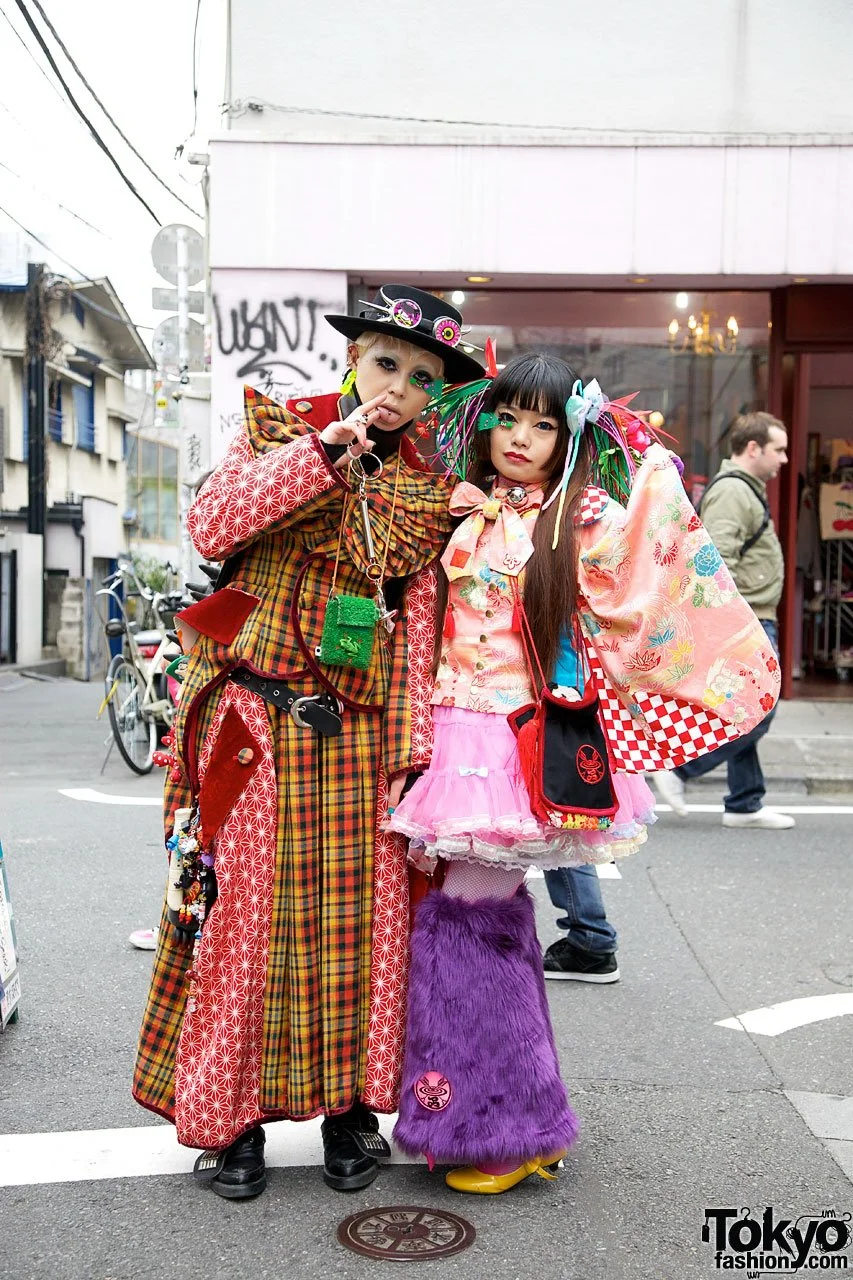
Harajuku’s eccentric and experimental street style blends traditional and futuristic touches (Tokyo Fashion)
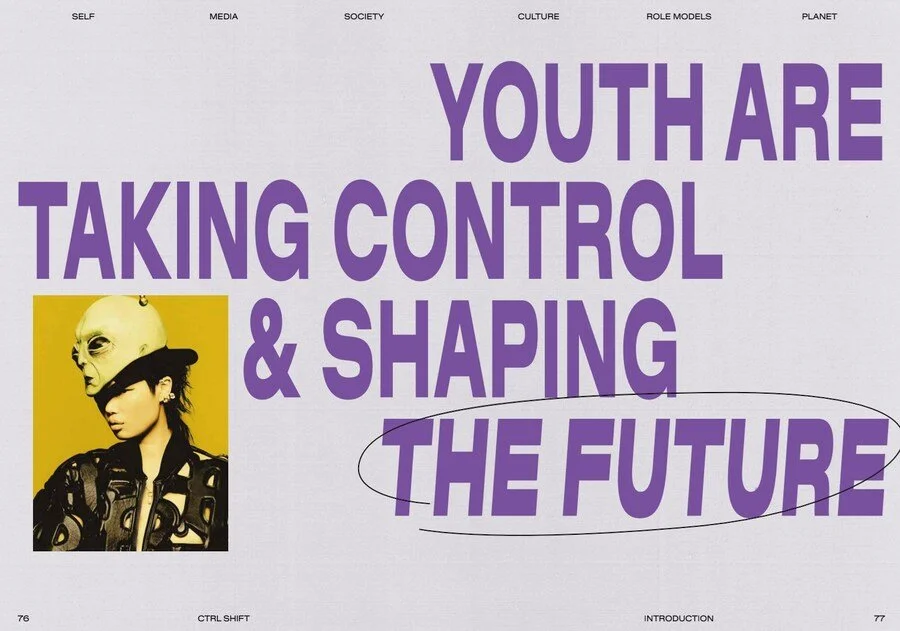
Empathy through understanding: keep informed with industry standard research material (Dazed Studio)
Discover more ideas