How to create high performing marketing ads, from a graphic designer’s point of view
About
Strong performance marketing ads are built around a single goal: getting a measurable action. Clicks, leads, purchases, signups, bookings – these are your key performance indicators (KPIs), quantifiable metrics which measure your customer’s journey from discovery to conversion and evaluate success towards specific goals. The best performing ads will usually combine numerous skillsets really well into one tight system: marketing strategy, psychology, copywriting and data-driven graphic design. How can graphic design be used more strategically, and positively influence conversion?
Share

Firstly, understand your brand’s positioning and tone of voice.
A brand is much more than a logo or packaging – and this needs to come across in performance ads. Beyond elements defining how a brand looks, other aspects of brand play a crucial role in shaping a customer’s experience with it, such as positioning and tone of voice. These shape how people understand, remember and emotionally connect with a brand.
Positioning defines your place in the market, helping potential customers understand why they should choose your brand over another – and crucially, making this decision quickly. Positioning matters because it creates clarity for anyone on the outside looking in (i.e. helping customers immediately understand what your brand stands for) as well as everyone on the inside looking out (i.e. your team of experts, for whom positioning will help shape an aligned vision and understanding of your brand). Positioning also creates distinction and differentiation, shaping different customer expectations. For example, one coffee shop may position itself as fast and convenient while another opts for being community- and sustainability-driven – and where both sell the same drinks, a customer’s loyalty may vary according to their needs, expectations and values. And to that point people will often buy identifies and values, not just products, therefore positioning can help shape emotional connection.
Tone of voice describes how a brand sounds. It is your personality wrapped up and expressed through communication, including performance ads. Tone of voice includes: word choice, style, emotional tone, rhythm and level of formality. It can help a brand build recognition through consistent language, trust through reliability, and relatability by giving your brand an inherently human feel. Through tone of voice, potential customers will be able to connect with the people behind your brand more easily. There’s an entire spectrum of tone of voices too: a brand can sound professional, playful, rebellious, controversial, irreverent, caring, minimalist, luxurious…
Secondly, understand the offer for each conversion funnel.
Even beautiful ads can fail if the offer is weak. A strong performance ad usually conveys (or combines): a clear problem solved, a specific outcome, tasteful urgency or differentiation, low friction and a clear action. Design amplifies the offer, but can’t easily rescue a bad one. So before jumping onto design, ask yourself what problem you’re trying to solve and list your targets and goals for solving it.
Different ads work at different stages of the conversion funnel (in order words, the journey your potential customer takes from first discovering your brand to making a purchase – read about this concept in greater detail here). At awareness stage, when your potential customer is noticing your brand online for the first time, your goal will be to get them to stop scrolling. The best creatives here might therefore be bold, eye-catching visuals with emotional hooks and shorter copy – creatives which do a great job at sparking a person’s curiosity. At consideration stage, your potential customer might have come across your brand (and ad sets) a number of times already, so your next goal is to start building trust. The best creatives would then be testimonials, customer stories, product demos and explainer graphics – creatives which feel more convincing, informative, and which add value. At the final stage, conversion, the goal is to reduce hesitation: at this point, creatives need to be clear and impactful with strong CTAs, guarantees and messaging conveying a sense of urgency (tactfully!)
Breaking down the visual anatomy of high-converting ads.
A visual hook. The content hook itself must appear in the first 1-3 seconds of a video ad (or immediately stand out for a static ad). Graphic design will help by contributing a ‘visual hook’ component to the ad, increasing attention and memorability through bold typographic and contrasting colour decisions, art direction and image choices which convey human expressions and interesting ideas faster than words. Graphic design can also help create an element of surprise to reinforce the hook – for example, with unexpected layouts or use of motion and animation.
Use faces strategically. Human faces increase engagement because people instinctively look at people. Did you know that we’re biologically hardwired to look at faces for survival, communication and emotional connection? (Source) Showing faces also creates an opportunity to convey emotions (through facial expressions) and to humanise your brand, helping to make it feel more personable and relatable to your potential customer.
Showing the product or service. Good design reduces cognitive load. Great performance ads feel clear and effortless to understand, and one major way to ensure this is simply by showing the product or service quickly. Don’t make users guess. And beyond showing, go a step further by demonstrating transformation, results and benefits of said product or service – ideally in a story format. After all, to quote Seth Godin, "stories (not ideas, not features, not benefits) are what spread from person to person."
Design systems and consistency. For a set of ads used across different stages of the conversion funnel, ensuring a level of visual consistency (for instance by implementing templates for your ad styles) will help your potential customers connect the dots more effortlessly. Being able to distinguish a brand style will be key here in increasing memorability, credibility and trust.
Speaking from experience: creative formats that often convert well look like this.
A wide variety of formats, and mobile-first design. Most ads are consumed on phones instead of wider screens (like monitor, desktop or tablet). Therefore, it’s important to strike the right balance between large text, simple layouts, minimal cost and clear hierarchy and composition – offering a clear focal point with few distractions. A vertical format may also be favourable, with common ad dimensions being 1080×1080, 1080×1350 and 1080×1920.
Highly readable and accessible. Avoid tiny fonts, overdesigned typography, low contrasting elements, busy backgrounds and hyper-stylisation. Opt for strong contrast, accessible typefaces and punchy headlines which prioritise readability.
UGC and native formats. Native ad styles often feel more relatable and less like advertising. But beware: influencer marketing ads are generally less effective today because audiences have become much more aware that many influencer posts are sponsored, paid promotions rather than genuine recommendations. So when crafting UGC ads, it is best to opt for real customer stories as much as possible, leaning into real user experiences and testimonials for authentic social proof.
Before and after creatives. Visual transformation is powerful, and similarly to social proof, something consumers will love to see. Transformation creatives are particularly great for fitness, beauty, wellness and productivity.
Motion and carousels. Even subtle movement can help improve attention, retention and engagement. This can be achieved through animated text, product zooms, kinetic typography, background movement, and product, service or UI walkthroughs. As for carousels, these can help reinforce messaging and core beliefs or values, with step-by-step storytelling used for example to share a founder’s story, showcase product or service benefits, explain processes or multiple features.
CTAs are really, really important too. I loved discovering this list of genius call to action examples compiled by KlientBoost, who suggest that “you create the perfect call to action button by factoring in psychology, specificity, positivity, creativity, brand tone, and your audience. Then making sure your button has a single focus, the right temperature, and the right contrast.” A great CTA understands your target audience and captures a need or desire they may be feeling in the moment – so understanding context is very important. But yet again, CTAs require tweaking and testing just like many other elements of a performance ad set, in order to figure out what works best.
Using visual design principles to enhance emotional and cultural value.
Firstly, it’s important to remember that people don’t always make rational decisions, converting emotionally first and rationally second. When consumers see an influencer, celebrity or relatable peer engaging with a product or service in a positive way, their mirror neurons simulate that exact experience, grasping the meaning of other people’s actions immediately without having to think about it. Along with the effect that the ‘pleasure’ chemical dopamine has on our brains, this explains why we instinctively feel what we see and feel a desire to imitate experiences like making a purchase. Humans are inherently emotional and cultural creatures first, and engaging these attributes is where the value of visual design lies.
Design enhances emotional and cultural value. It does so by creating meaningful experiences that connect with people’s feelings, identities and beliefs. Through elements like colour, typography, imagery, materials and storytelling (which can all approached through an ethnographic and psychological lens), design can evoke emotions such as trust, excitement, nostalgia or luxury while also reflecting cultural traditions, values and aesthetics. Strong design helps products and brands feel more personable, memorable and authentic. Check out Chromakane’s free resource for how to build a culturally relevant brand in the lifestyle, wellness, beauty and luxury sectors through impactful content design.
The bigger picture: beyond ads, have you considered the rest of your campaign?
Performance marketing is iterative. Even elite marketers rarely predict winners perfectly. Hence the importance of A/B testing, which ultimately matters more than opinions. A/B testing is a method of comparing two versions of an ad, email, webpage or other design asset to understand which one performs better based on specific goals. These ads may be shown to different audience groups, measuring results to determine which version drives more engagement and higher conversion. A/B testing can be carried out by creating subtle variations in: headlines and copy, hooks, images and videos, colours and typography, layouts and composition, CTAs (wording or placement), thumbnails, formats, lengths, and pricing or offers. Some of these elements directly influence visual design decisions, other relate more closely to content, copy and wider brand strategy.
Remember the metrics you’re tracking. These are the key metrics that matter: click through rate, cost per click, cost per acquisition, return on ad spend, conversion rate, thumb-stop rate and watch time. If an ad gets attention but little conversion, the problem is likely less about how eye-catching the creative was and more about the offer or landing page itself. If engagement is low overall, it may be time to review decisions around creative or hook and copy.
Don’t forget to consider the rest of your campaign. Conversion success depends on more than just the ad because the ad is only one facet in the customer journey. Even a strong ad can fail if your landing page or emails are confusing, website slow, offer weak, or checkout process difficult. Many elements of a campaign come into play to determine whether a potential customer completes the desired action, for example: targeting, messaging, visual and brand consistency, user experience, pricing and follow-up communications. A successful campaign works as an interconnected system, where trust is built across various digital (and possibly print) touch points, creating a more immersive and well-rounded user experience that makes conversion easy.
Resources for further reading and inspiration.
If you’re looking for ad inspiration, check out Adfolio and Ad Swipe File who share impactful B2B and B2C creatives (Pinterest is another great resource when browsing by specific keyword, as well as Meta Ad Library if you’re wanting to hone in on your competitor landscape).
For email marketing inspiration, browse Mailboard, Milled and Really Good Emails.
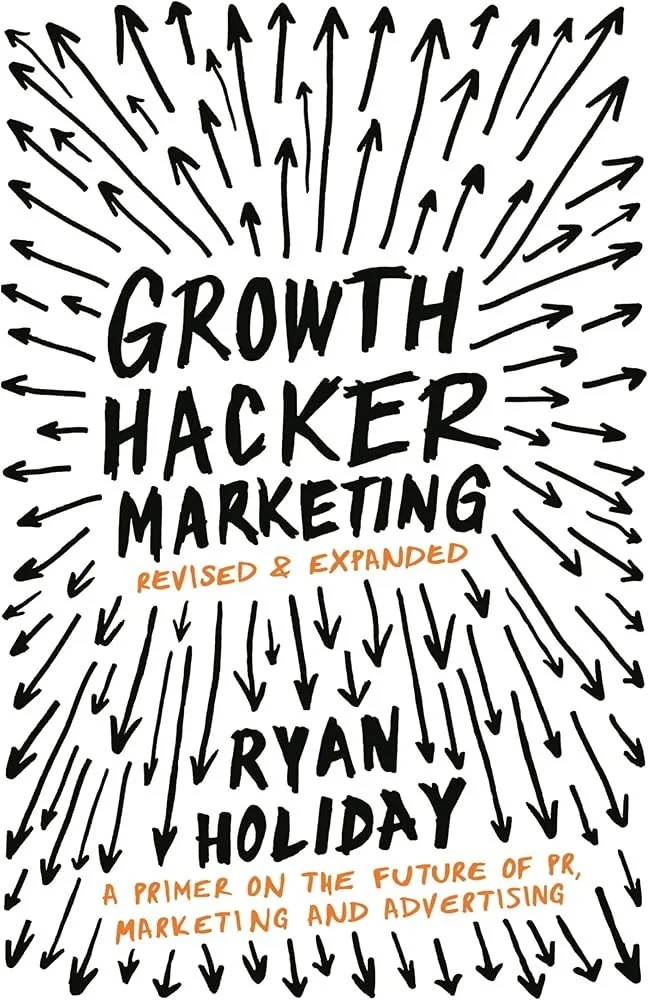
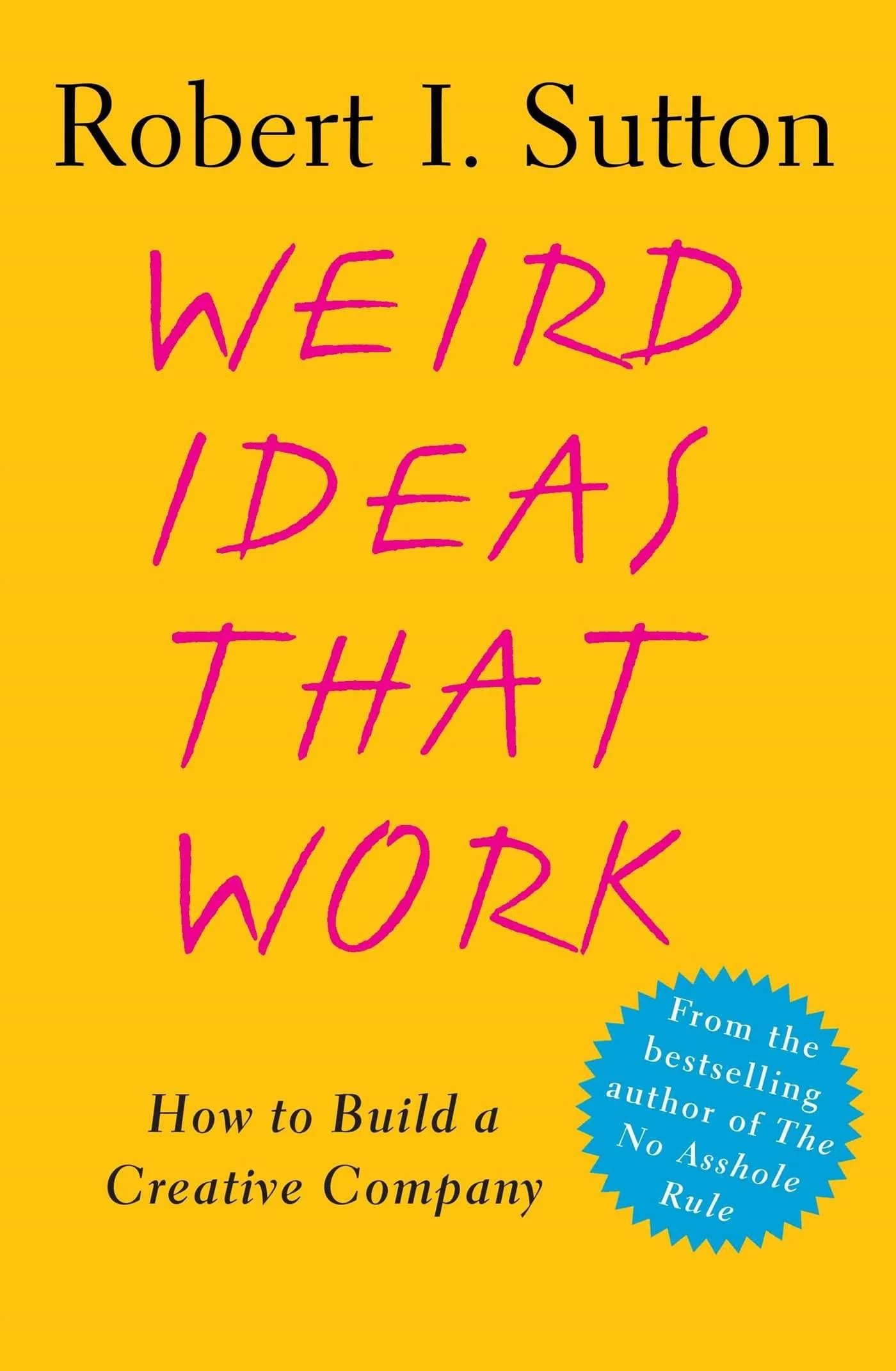
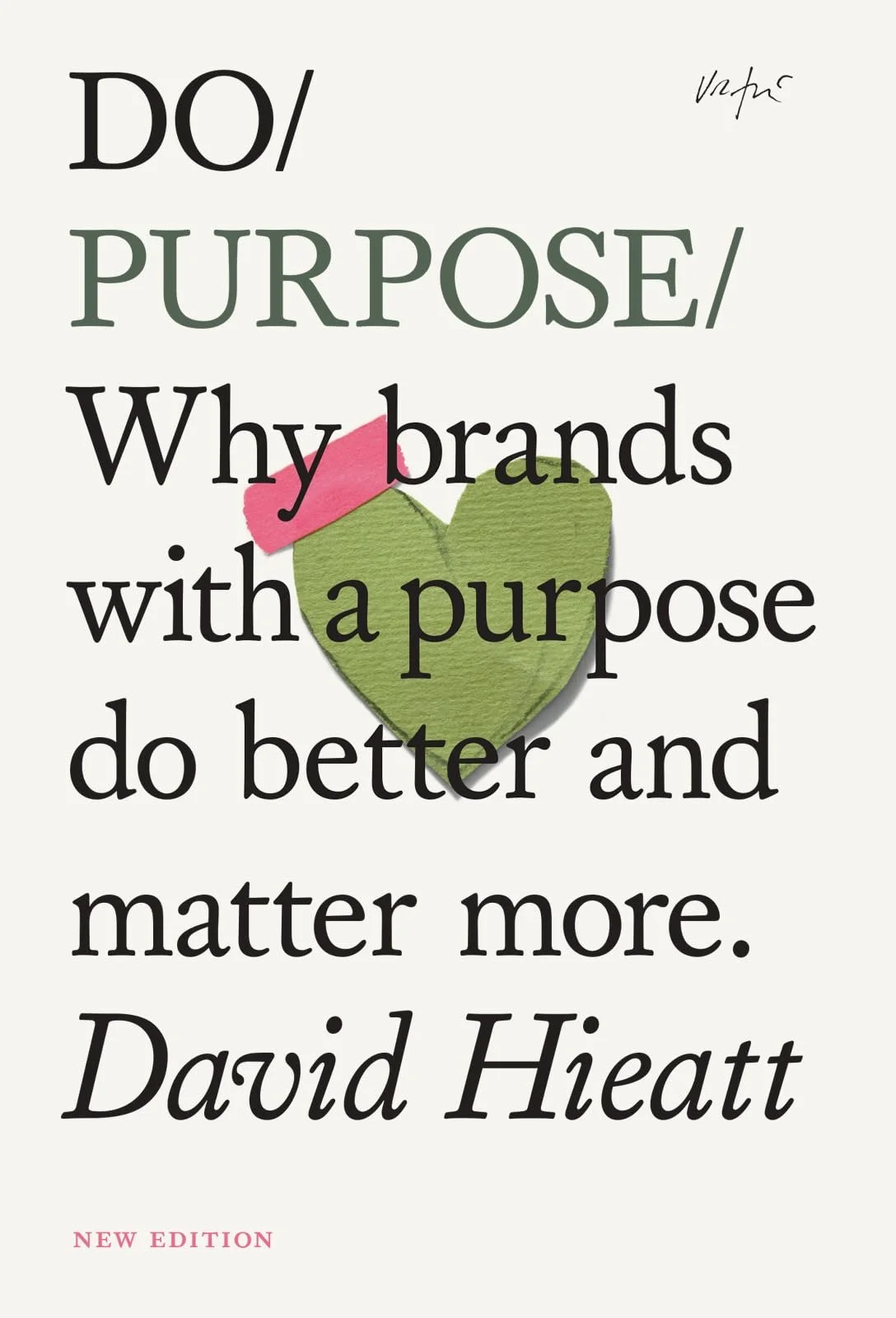
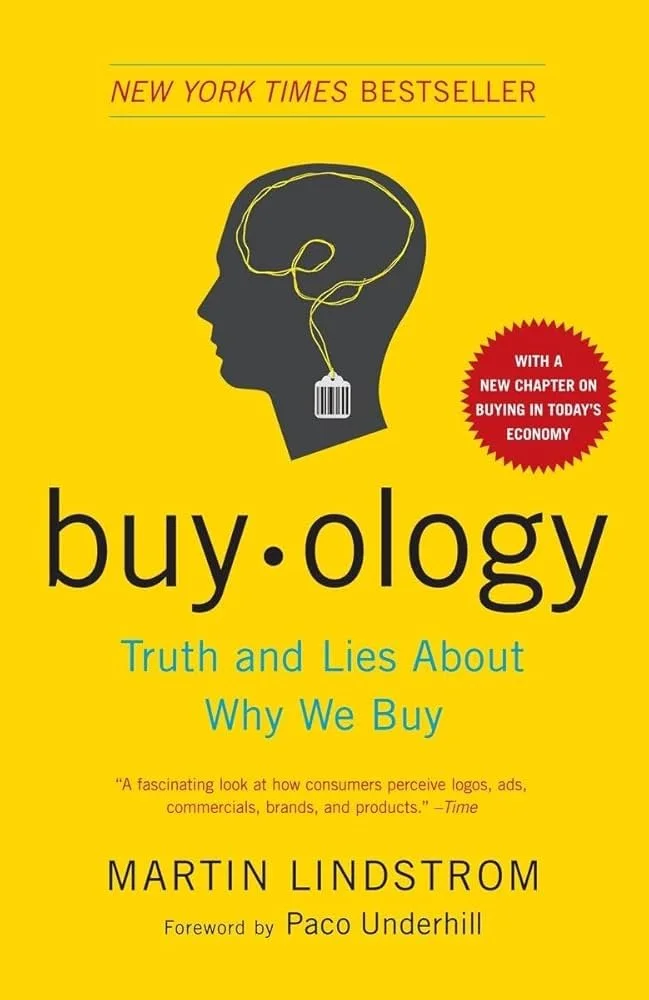
For further reading, a couple of my favourite books exploring the topics of digital/performance marketing and consumer psychology from the lens of brand building and design are Buyology by Martin Lindstrom, Growth Hacker Marketing by Ryan Holiday, Do Purpose by David Hieatt and Weird Ideas That Work by Robert I. Sutton – all also available to purchase from second hand sellers. ✺
Discover more ideas